

“I went to the woods because I wished to live deliberately,
to front only the essential facts of life,
and see if I could not learn what it had to teach,
and not, when I came to die, discover that I had not lived.”
-Henry David Thoreau
PARADIGM SHIFT
Call of the Wild
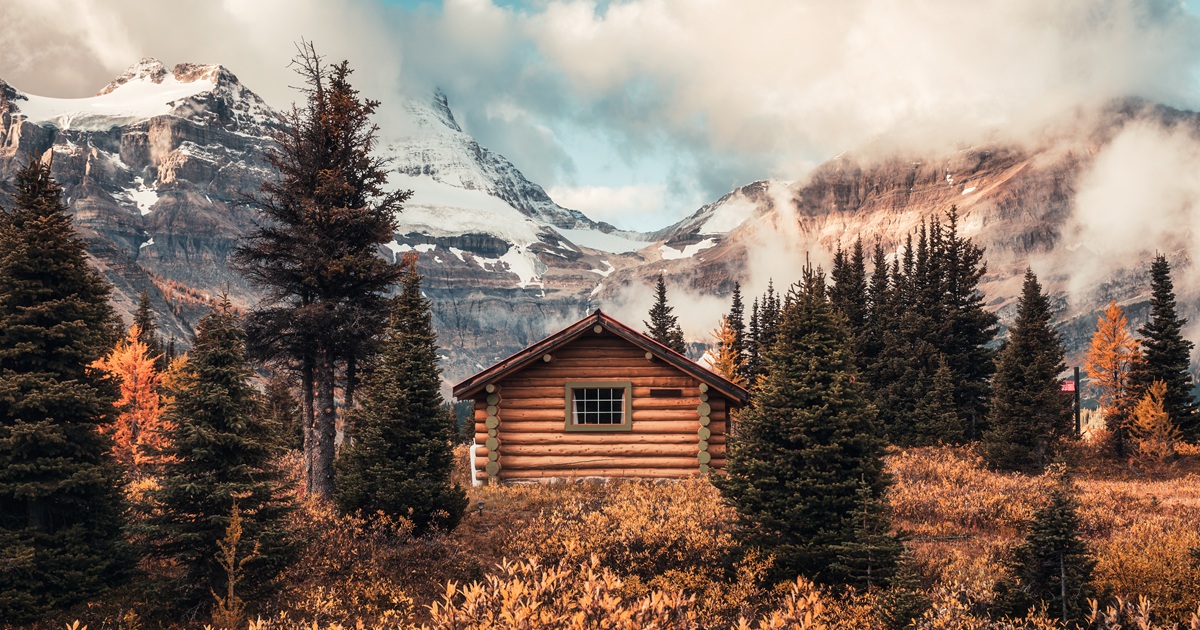
When Henry David Thoreau built his cabin in the woods, in which he lived for two full years, his intention was to experiment with a simple way of living independently.
The inspiration for this sojourning away from civilization was his observation of so many impoverished workers who appeared to be spending their every waking minute attempting to survive another day.
While working conditions have significantly improved since his day nearly two centuries ago, there are still moments when we ask ourselves, “Is the sacrifice I give to this job really worth what I’m getting out of it?”
In the end, the question really is: “What am I doing this for?”
Often, there is a good answer. Hopefully you are doing the work primarily because you feel a passion and purpose in what you do. And secondarily, the material comforts offered as benefits and salary allow you to devote time and energy to your other interests outside of work.
But this is not the case for everyone. There are times in most of our lives when we ask ourselves whether it makes sense to continue in the same direction.
If anyone had a stressful and difficult job, it was the ancient King David. From his writings, he felt so often in danger for his own life, betrayed by friends, ambushed by enemies, all the while doing his best to take the high road and rule his nation with wisdom.
If anyone could relate to Thoreau’s interest in the simple life of the wilderness, it was David. Consider when he wrote:
“Oh, that I had wings like a dove!
I would fly away and be at rest;
Yes, I would wander far away;
I would lodge in the wilderness; Selah
I would hurry to find a shelter
From the raging wind and tempest.”
-Psalm 55:6-8
I suspect everyone has moments like this when they feel the need to just get away. When they dream of moving away from all the noise and the clamor of society, and becoming more independent. It’s a timeless theme.
Yet interestingly, neither David nor Thoreau did any such thing permanently. King David had a nation to lead. Thoreau returned from his two years in the woods because, in the end, he preferred contact with society.
Three lessons I think we can learn from the combination of these two authors:
-
- From time immemorial, the desire to escape from the bustle of city life into a simpler, more independent lifestyle has been a recurring theme.
- Thoreau proved that it can be done, and that “by working about six weeks in a year, I could meet all the expenses of living” (Walden).
- The key is to balance purpose (that is, responsibility) with intentional living.
Both David and Thoreau lived with intention, in completely different ways. But each fulfilled in life a great purpose by what they accomplished.
In our own lives, we can implement their lessons by shouldering responsibility in pursuit of a worthwhile purpose while remaining intentional about why we do what we do.