

By Daniel Lancaster, CFA® | The Wealth Expedition
Every successful expedition begins with a map. In personal finance, that map is your personal budget outlining all fixed and variable expenses.
Before you think about investing, side businesses, or accelerating wealth, there is a far more important, but often overlooked, first step: understanding what you already have and how it's currently being used.
In the Wealth Expedition framework, this is the terrain known as Budgeting Bayou.
Budgeting Bayou isn't about restriction or guilt. It's not about buckling down and gritting your teeth to make it happen.
It's about learning how your money is already flowing so you can decide—intentionally—where it should go next.
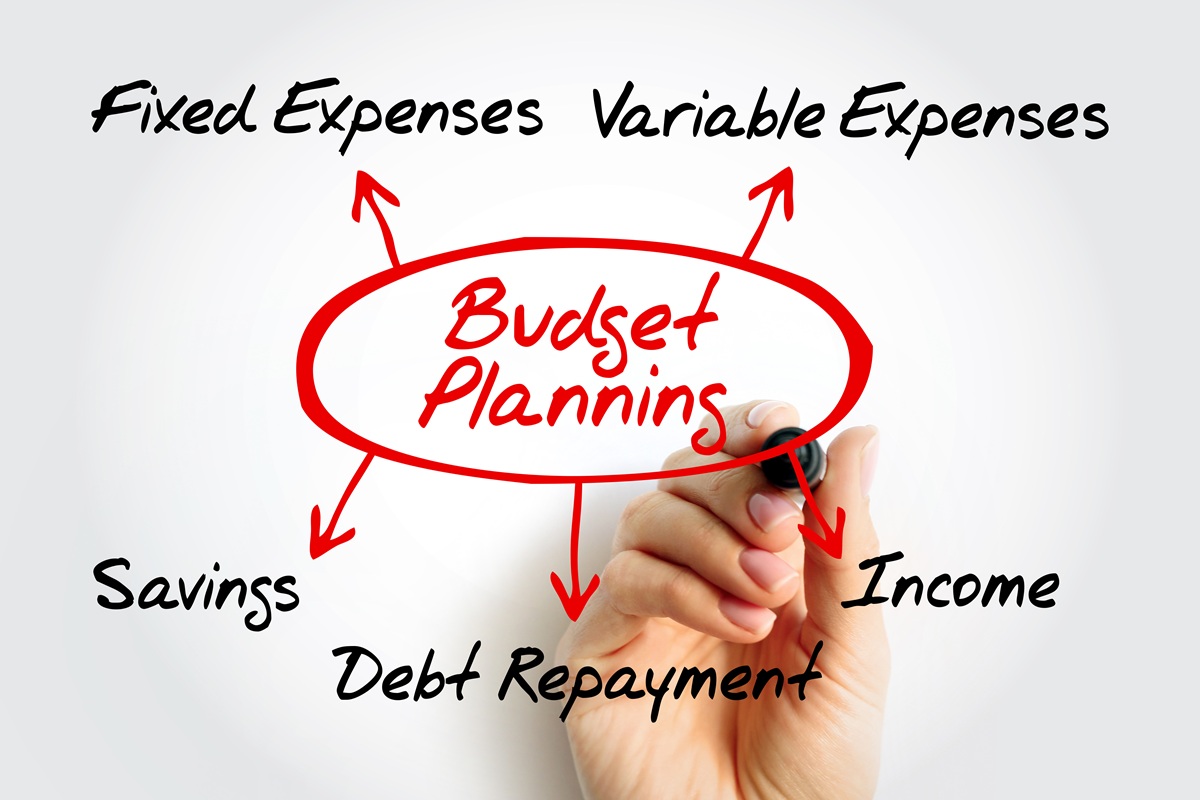
fixed expenses vs. variable expenses
Once you understand this difference, budgeting becomes dramatically simpler—and far more powerful.
For a deeper walkthrough of comprehensive cash flow management, see my personal cash flow management guide, which shows how to track income and expenses in a way that builds clarity and confidence.Why Fixed vs. Variable Expenses Matter So Much
When most people attempt to budget, they start by cutting things at random: fewer coffees, fewer meals out, fewer small pleasures. This approach almost always fails because it targets the wrong category first.
To budget effectively, you must first separate your expenses into two broad groups:
- Fixed expenses – costs that are relatively stable month to month
- Variable expenses – costs that fluctuate and offer more short-term flexibility
This distinction matters because:
- Variable expenses are often easier to change quickly
- Fixed expenses, while slower to adjust, often produce outsized, permanent benefits when optimized
A strong budget doesn't ignore either category—it uses both strategically.
Fixed Expenses: Stable, Predictable, and Powerful
Fixed expenses are costs that tend to remain the same over long periods of time, or at least change very slowly. You typically have less immediate control over them—but that doesn't mean they're untouchable.
In fact, improving fixed expenses can be one of the most impactful financial moves you ever make.
Common Fixed Expenses in a Personal Budget
Here are the most common fixed expenses households encounter:
🏠 Housing & Utilities
- Mortgage
- Rent
- Homeowners Insurance
- Real Estate Taxes
- Electricity
- Water
- Gas
- Internet
- Phone
🚗 Transportation
- Car payment
- Car insurance
🛡️ Insurance & Protection
- Health insurance
- Disability insurance
- Life insurance
🎓 Education & Childcare
- School tuition
- Child care
💳 Other Debt Obligations
- Credit card payments
- Student loan payments
🔁 Subscriptions & Memberships
- Subscriptions
- Memberships
Some of these are "hard fixed" (like tuition or child care), while others are "soft fixed" (like insurance, internet, or subscriptions).
Some fixed expenses don’t occur every month — like annual insurance premiums or property taxes — yet they still need to be anticipated. A yearly budget plan for annual expenses can make these predictable obligations easier to manage without stress.
Why Fixed Expenses Deserve Your Attention
Fixed expenses often:
- Persist for years or decades
- Represent the largest line items in your budget
- Compound in impact over time
Reducing a variable expense might save you $50 this month. Reducing a fixed expense might save you $300 every month for the next 10 years.
And often, that reduction in fixed expenses is far less noticeable in terms of lifestyle impact than is the reduction in variable expenses.
When and How Fixed Expenses Should Be Adjusted
You don't change fixed expenses frequently—but when you do, it's worth the effort.
Common moments to reassess fixed expenses:
- When you move or refinance
- When policies renew (insurance, phone, internet)
- When life stages change (kids, marriage, career shifts)
- When interest rates drop or income rises
Even small improvements here permanently increase your financial margin, which is your foundation for accumulating future wealth.
Once you master this concept, it’s worth understanding the other common cash flow mistakes that quietly undermine even well-intentioned budgets.
Variable Expenses: Flexible, Adjustable, and Behavioral
Variable expenses fluctuate month to month. These are the categories where most people feel financial stress because spending is less predictable.
But they're also where behavioral awareness creates rapid improvement.
Common Variable Expenses in a Personal Budget
Typical variable expenses include:
🏠 Home & Household
- Home repairs / maintenance
- Furniture
- Cleaning / laundry
🍽️ Food & Dining
- Grocery
- Restaurants
👕 Personal & Lifestyle
- New clothes
- Toiletries / cosmetics
- Hair / nails / spa / massage
🚗 Transportation
- Car maintenance
🩺 Health & Wellness
- Doctor / dental visits
- Medicine
🎭 Entertainment & Fun
- Entertainment
- Hobbies
- Spontaneous fun money
✈️ Travel & Experiences
- Vacations
- Events
🐾 Other
- Pets
- Holiday or birthday gifts
- Charitable giving
These categories reflect real life. They often represent the things that make life not just tolerable, but fun and meaningful. The goal isn't elimination. The goal is intentional alignment.
Why Variable Expenses Are the Easiest to Improve
Variable expenses are:
- Easier to adjust quickly
- Closely tied to habits and emotions
- Often tied to small, day-to-day pleasures or conveniences
This makes them the ideal place to begin budgeting. Small changes here build confidence, momentum, and awareness—without requiring massive lifestyle disruption.
The three experiences that are encouraged in The Wealth Expedition are:
- The feeling of plenty
- The feeling of progress
- The feeling of possibility
The goal of budgeting is to keep all three of these in balance.
If you find yourself caught in loops of worry or hyper‑focus around spending and tracking, this can easily lead to stress. Our guide on how to stop obsessing over money offers strategies for building clarity without anxiety.
Fixed vs. Variable Expenses: How They Work Together
A healthy personal budget uses both categories strategically:
- Variable expenses create short-term flexibility
- Fixed expenses create long-term stability
When you control variable expenses, you build margin.
When you optimize fixed expenses, you lock that margin in permanently.
This is how budgeting stops feeling like deprivation and starts feeling like progress.
How the Average U.S. Household Actually Spends
Curious how the average U.S. household has budgeted in recent years? The U.S. Bureau of Labor Statistics publishes an annual Consumer Expenditure Survey that breaks this down in detail.
You can explore the most recent data here.
What quickly becomes clear is this: housing and transportation consistently account for the largest share of household spending—often before discretionary choices are even made.
In other words, decisions about where you live and what you drive quietly determine far more than most people realize. They shape your ability to:
- Eliminate other forms of debt
- Improve lifestyle flexibility in other areas
- Save and invest meaningfully for long-term wealth accumulation
This is why budgeting isn't just about cutting back—it's about understanding which structural choices are doing the heaviest lifting, for better or worse.
How to Categorize Monthly Expenses (A Simple Framework)
If you're just starting, don't overcomplicate this.
- List every expense from the last 2–3 months
- Label each as fixed or variable
- Group them into simple personal budget categories
- Focus first on awareness—not perfection or dramatic lifestyle changes
👉 The Budgeting Method To Overcome Financial Stress (Without Cutting the Fun)
Reducing Expenses Without Sacrificing Lifestyle
One of the biggest fears people have about budgeting is decline in lifestyle satisfaction. But budgeting done correctly often improves quality of life.
The key is not cutting everything—but cutting strategically.
👉 How to Cut Monthly Expenses Without Sacrificing Lifestyle
The short version:
- Cut what doesn't matter
- Protect what brings genuine value
- Redirect savings toward goals that compound
Choosing a Simple Budgeting Structure
Once you understand fixed and variable expenses, structure becomes easy.
A great starting framework is the 50/30/20 rule:
- 50% needs
- 30% wants
- 20% saving and investing
You can adapt this as income grows or life changes.
👉 The 50/30/20 Rule of Budgeting Explained
Tools That Make Budgeting Easier
As a member of The Wealth Expedition, you'll find a comprehensive budgeting spreadsheet that allows you to plan and renovate your spending with ease.
👉 The Best Budgeting Tools for 2026
Remember: tools support clarity. They don't replace intention.
And intention is best built and maintained in community where you receive insights, inspirations and accountability.
Budgeting Bayou: Your First Map on the Wealth Expedition
This distinction—fixed vs. variable expenses when it comes to personal finance—is the true starting line of wealth building.
Before investing, entrepreneurship, or optimization—you must first understand:
- What is stable
- What is flexible
- What is working
- What needs attention
That's what Budgeting Bayou exists to teach.
If you want guided lessons, frameworks, and practical tools to move through this stage with confidence, you can explore The Wealth Expedition membership, where Budgeting Bayou is mapped step by step and connected to investing, income growth, and long-term purpose.
Final Thoughts
Budgeting isn't about tying your hands—quite the opposite! At its core, budgeting is about freedom.
When you understand your fixed and variable expenses, you stop reacting to money and start directing it. You create margin. You reduce stress. You give yourself options. And from that place of clarity, wealth stops being something you chase—and starts becoming something you build, intentionally, one step at a time.
Your Next Step on the Wealth Expedition
If you want your budget to give you clarity, margin, and control (not just rules to follow)—here are three ways to continue:
1. Join The Wealth Expedition membership
Move beyond basic budgeting into a clear, step-by-step path for building intentional wealth. Inside the membership, we connect spending, saving, investing, and purpose into one coherent framework—so your budget becomes a tool for progress, not restriction. Join today here.
2. Get personalized financial planning
If you want help structuring your budget, cash flow, and priorities around your real-life goals, I offer personalized planning designed to bring clarity and confidence. You can reach out here to schedule a free discovery call, or learn more about the process here.
3. Subscribe to the weekly newsletter
Receive practical insights on money, purpose, and stewardship—delivered simply and consistently. If you're not ready to act yet, stay connected and start thinking differently about wealth. Subscribe here.
Wealth isn't just something you accumulate. It's something you build intentionally—from the inside out.